

Home Sauna: Real Estate Value & Luxury Buyer Demand in 2026
By: Sauna Luxuries
Why Luxury Buyers Are Now Demanding a Home Sauna
Health is the new wealth. Today's luxury buyers are no longer simply purchasing square footage; they are investing in longevity infrastructure. A home sauna has moved from a niche amenity to a defining feature of the modern high-end property.
The numbers confirm the shift. According to real estate survey data, 42% of homebuyers now consider a sauna a desirable feature, making it a meaningful differentiator in competitive markets. Meanwhile, Luxe Global Real Estate reports that more than 70% of luxury buyers prioritize wellness-oriented features when choosing a home.
Industry recognition is catching up to consumer demand. Saunas won Best in Show at KBIS 2025, signaling mainstream design legitimacy. Houzz data shows surging searches for "indoor sauna" and "home spa," reinforcing that the luxury home sauna is no longer an optional extra. It is the home wellness space buyers expect.
How a Home Sauna Impacts Property Value
A well-installed home sauna can add an estimated $5,000 to $20,000 to a property's market value, depending on sauna type, placement, and local market conditions. Real estate analysts estimate that quality sauna installations can recoup 40 to 55% of their cost at resale, with higher returns in colder climates where saunas are a culturally embedded amenity.
Properties featuring spa-like amenities, including saunas, can reduce days on market by an estimated 10 to 20%, translating to real savings on carrying costs for sellers. In wellness-conscious markets such as Southeast Florida, the Bay Area, Los Angeles, Seattle, and New York, the impact tends to be even more pronounced, as buyers in those areas actively seek homes with wellness amenities.
It is important to note that value varies by market, buyer preferences, installation quality, and overall home design. There is no guaranteed resale value increase. The broader trend, however, is unmistakable. The Global Wellness Institute reports that the global wellness real estate market reached $584 billion in 2024 and is forecast to double to $1.1 trillion by 2029.
It is also worth noting how a sauna for home compares to a hot tub in the eyes of real estate professionals. Saunas are generally viewed more favorably, while hot tubs can be neutral or even negative due to buyer concerns about maintenance obligations, potential water damage, and aging units. A luxury home sauna sends a cleaner, more compelling value signal.
Wellness as a Home Design Trend: The Numbers Behind the Movement
The wellness economy is not a passing trend. According to the Global Wellness Institute's 2025 Global Wellness Economy Monitor, the global wellness economy reached $6.8 trillion in 2024. Per capita wellness spending in North America hit $6,029, growing at 7.9% annually.
Household sauna installations are forecast to expand at an 8.61% CAGR through 2031, the fastest-growing application segment in the sauna and spa market. Built-in saunas hold approximately 68.2% of sauna market share in 2025, prized for their seamless home integration and ability to raise property value.
The 2025 U.S. Houzz Bathroom Trends Study found that 36% of renovated bathrooms now include wellness-oriented features. Homeowners are integrating saunas into primary bathroom renovations, blurring the line between bathroom and private wellness suite.
The outdoor sauna has emerged as an architectural statement in its own right. Barrel saunas, cabin-style designs, and glass-walled structures serve as backyard focal points that enhance curb appeal and lifestyle photography, a growing angle in luxury real estate marketing.
Research from Mayo Clinic Proceedings and Harvard Health links regular sauna use to reduced cardiovascular risk, lower blood pressure, and potential longevity benefits, framing the home sauna not merely as a luxury but as a wellness investment grounded in science.
Please note: sauna use may not be appropriate for everyone. If you have cardiovascular conditions, uncontrolled high blood pressure, or other medical concerns, consult a healthcare professional before use.
Choosing the Right Sauna: Indoor, Outdoor, Infrared, and Traditional
Selecting the right home sauna is a significant investment decision, often ranging from $10,000 to $30,000 or more. Here is how the three primary options compare in terms of real estate value and buyer appeal.
Indoor Saunas: The Integrated Wellness Suite
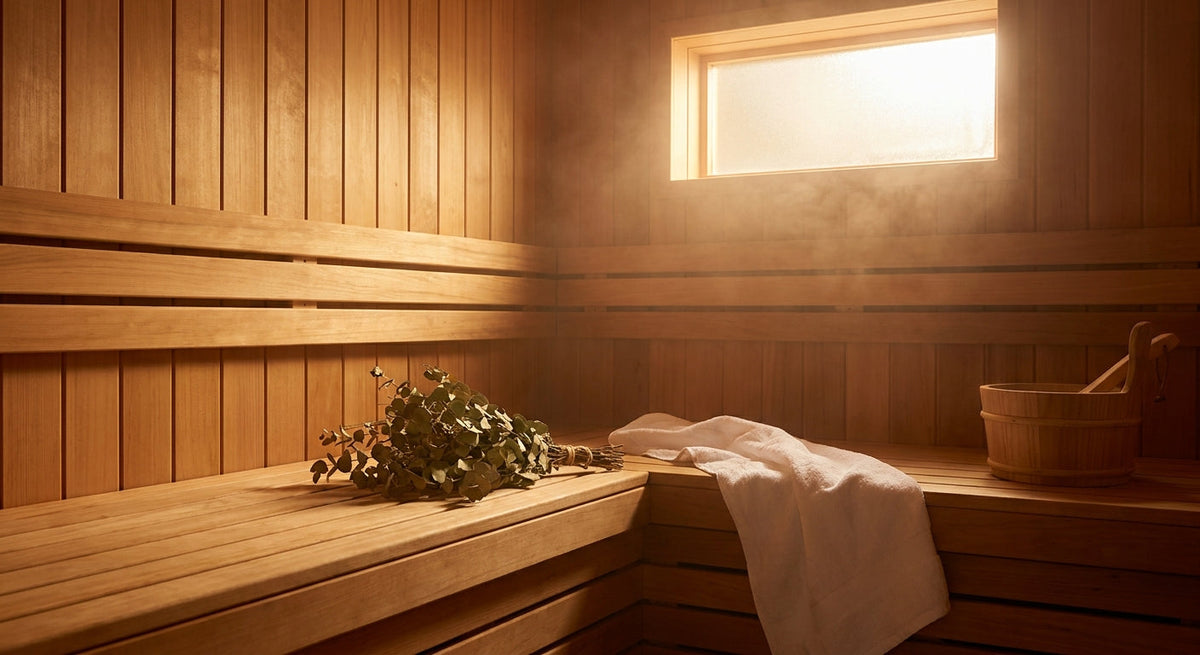
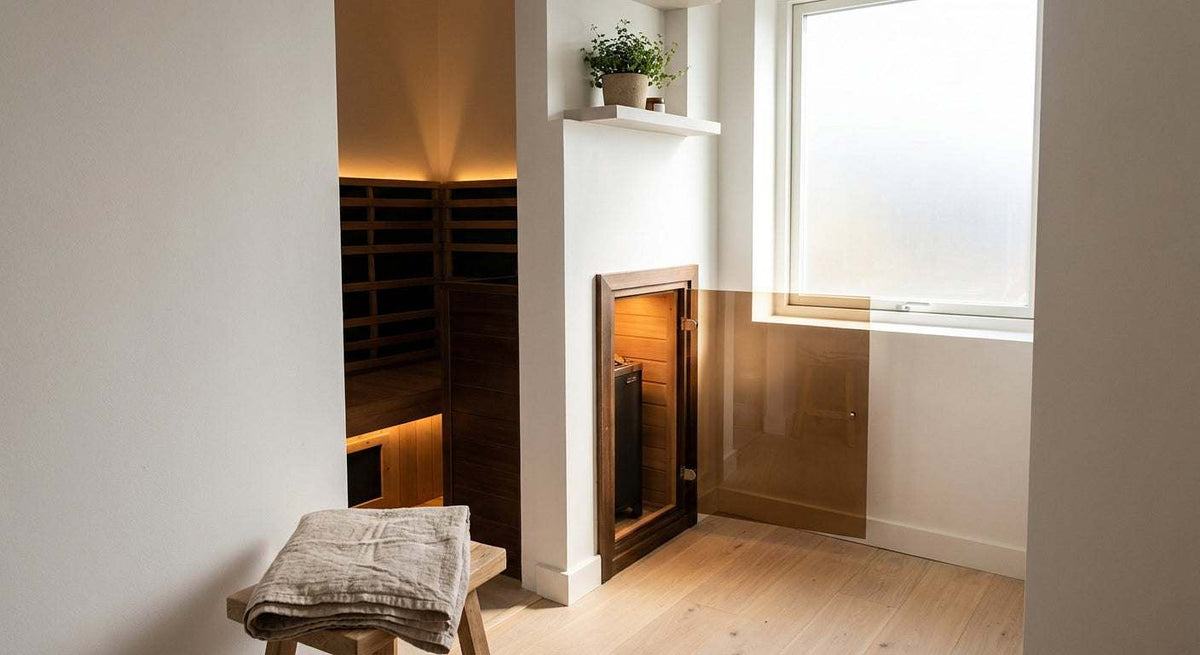
Built-in indoor saunas represent the premium choice for seamless home integration and maximum property value impact. Placement options include the primary bathroom, a finished basement, or a dedicated wellness room adjacent to the primary suite.
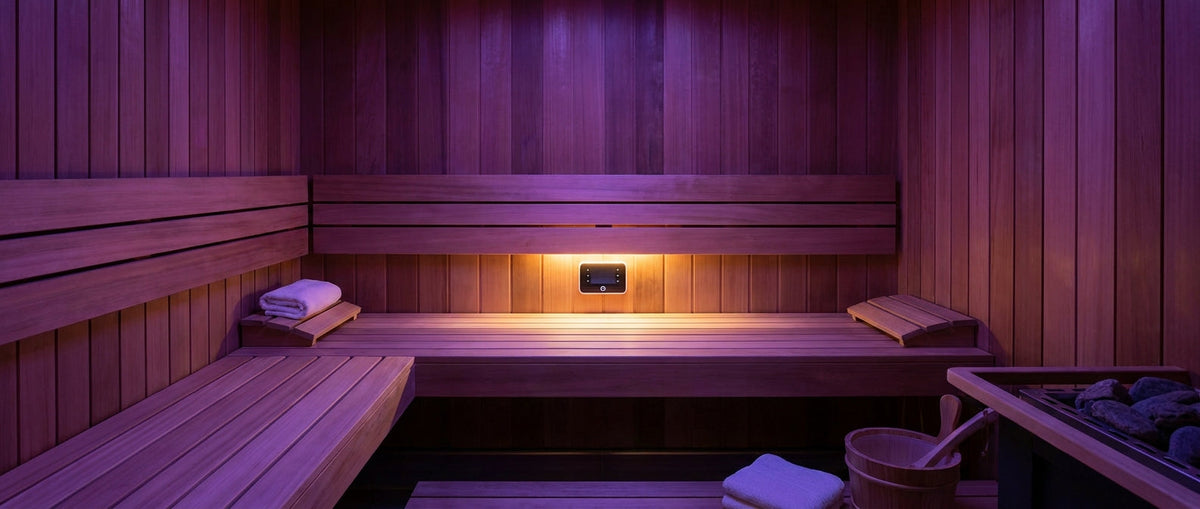
Traditional Finnish steam saunas offer an authentic, high-heat experience prized by wellness purists. Wood selection plays a critical role in both quality and aesthetics; cedar remains the most popular choice for its natural aroma and durability, while hemlock and Nordic spruce offer premium alternatives with distinct character.
If you are envisioning a fully integrated home wellness space, explore our curated sauna collection to find designs crafted for luxury interiors.
Infrared Saunas: Energy-Efficient Luxury for Modern Homes
Infrared saunas use 20 to 30% less energy than traditional saunas, costing an estimated $5 to $8 per month in electricity compared to $12 to $15 for traditional models. The U.S. infrared sauna market is projected to reach $378.70 million by 2030, growing at a 5.42% CAGR, a clear signal of strong buyer demand.
For smart-home buyers, infrared saunas offer IoT-enabled controls, chromotherapy lighting, and built-in audio systems. They are ideal for homeowners prioritizing lower operating costs and a gentler heat experience that operates at lower temperatures while still delivering deep, penetrating warmth.
Discover our full range of infrared saunas, designed for the modern wellness-minded home.
Outdoor Saunas: The Backyard Retreat That Elevates Curb Appeal
An outdoor sauna is more than a wellness amenity; it is an architectural statement. Barrel saunas, cabin-style saunas, and glass-walled designs each offer a distinct aesthetic that transforms a backyard into a destination.
Outdoor saunas pair naturally with cold plunge tubs, creating a contrast therapy experience that has moved from boutique wellness clubs into private backyard retreats. This combination is rapidly becoming the defining luxury wellness pairing of 2026.
Backyard placement adds a distinct lifestyle dimension without consuming interior square footage, a practical advantage for homeowners who want to preserve their floor plan. Browse our collection of outdoor saunas to find the perfect backyard focal point.
Home Sauna vs. Other Luxury Upgrades: How It Compares
When evaluating where to invest in your home, a luxury home sauna stands apart from other popular upgrades on several fronts.
Sauna vs. Hot Tub: A quality infrared sauna used four times weekly over five years costs approximately $6.40 per session, compared to roughly $26 per session for a comparable hot tub when factoring in energy and chemical costs. Saunas also carry stronger real estate value signals and are backed by more robust health research.
Sauna vs. Home Gym: Saunas offer passive wellness benefits and require significantly less space. The two are not mutually exclusive; a sauna and a home gym function as complementary longevity infrastructure, and many luxury buyers now expect both.
Sauna vs. Spa Bathroom Renovation: A sauna can be integrated directly into a spa bathroom remodel for a compounding value effect, elevating the renovation from a cosmetic update to a true home wellness space.
Consider that a luxury kitchen remodel averages around $70,000. A premium home sauna starts at a fraction of that cost and may deliver stronger desirability differentiation in the luxury segment. Evaluated on cost, operating expenses, health benefits, and buyer appeal combined, a sauna represents the highest-ROI wellness upgrade available to homeowners today.
What to Consider Before Adding a Sauna to Your Home
A thoughtful approach to planning ensures your sauna delivers maximum enjoyment and long-term value. Here are the key considerations:
- Indoor vs. Outdoor Placement: Assess your available square footage, proximity to the primary suite or bathroom, and backyard layout. Indoor saunas maximize integration; outdoor saunas preserve interior space and enhance curb appeal.
- Capacity: A solo retreat (1 to 2 person) suits personal wellness routines, while a social wellness space (4 to 6 person) appeals to both daily use and buyer appeal at resale.
- Heater Type: Traditional electric or wood-burning heaters deliver an authentic high-heat experience, while infrared panels offer gentler warmth with lower energy demands. Each has different electrical, ventilation, and experiential implications.
- Wood Type: Cedar is the most popular choice for its natural aroma and durability. Hemlock and Nordic spruce are premium alternatives with distinct aesthetics and excellent moisture resistance.
- Electrical Requirements: Most saunas require a dedicated 240V circuit. Professional installation is essential for safety and code compliance.
- Ventilation: Proper airflow is critical for safety, wood longevity, and moisture management. This is the detail that separates a premium installation from a budget one.
- Long-Term Maintenance: Periodic cleaning, wood treatment, and heater servicing keep your sauna in showroom condition, which matters significantly at resale.
- Presentation: A well-staged, immaculate sauna with quality accessories (plush towels, handcrafted ladles and buckets, ambient lighting) significantly enhances buyer perception during home showings.
Safety reminder: if you have cardiovascular conditions, uncontrolled high blood pressure, or other medical concerns, please consult a healthcare professional before beginning regular sauna use. As Harvard Health notes, saunas appear safe for most people, but they may not be appropriate for everyone.
Elevate Your Home and Your Life With a Luxury Sauna
A home sauna is both a daily wellness ritual and a long-term property differentiator. The luxury buyer of 2026 and beyond is searching for homes that support health, longevity, and lifestyle, not just aesthetics. Whether you are drawn to the authentic heat of a traditional Finnish sauna, the energy-efficient sophistication of an infrared model, or the architectural beauty of a backyard retreat, the right sauna transforms how you live and how your home is valued.
The key to maximizing that value lies in thoughtful selection, premium materials, professional installation, and impeccable presentation. These are the details that separate a truly exceptional home wellness space from a mere addition.
We invite you to explore Sauna Luxuries' curated sauna collections or reach out to our team for personalized guidance on choosing the right sauna for your home, your space, and your wellness goals. Your investment in well-being starts here.
Sources
- Haven of Heat: Do Saunas Increase Home Value?
- Luxe Global Real Estate: Luxury Real Estate Market in the USA, 2025
- Houzz: 7 Exciting Design Trends for Kitchen and Bath Products in 2025 (KBIS)
- Architect Magazine: Designing for Wellness
- Global Wellness Institute: Build Well to Live Well, 2025
- Haven of Heat: Sauna vs. Hot Tub
- Fine Homes and Living: Luxury Wellness at Home
- HousingWire: Wellness Real Estate Surges
- Mordor Intelligence: Sauna and Spa Market
- Persistence Market Research: Sauna Market
- Houzz: 2025 U.S. Bathroom Trends Study
- Mayo Clinic Proceedings: Sauna Bathing and Health Benefits (2023)
- Harvard Health: Hot Baths and Saunas, Beneficial for Your Heart?
- Mordor Intelligence: U.S. Infrared Sauna Market
- Sun Home Saunas: Hot Tub vs. Sauna Cost Comparison
- Harvard Health: Saunas and Your Health


Leave a comment
This site is protected by hCaptcha and the hCaptcha Privacy Policy and Terms of Service apply.